Uncle Roy, the new documentary by award-winning filmmaker, photographer, author, and artist Keri Pickett, is currently fascinating audiences on the international film festival circuit– and rightfully so. This lovingly and meticulously made new film is smart, heartwarming, and inspirational. Uncle Roy will make its New York City premiere on Sunday, October 18, 2026, at 6:45 PM at the SVA Theatre as part of NewFest, the city’s largest LGBTQ+ film festival. But just who was the titular “Uncle Roy”?
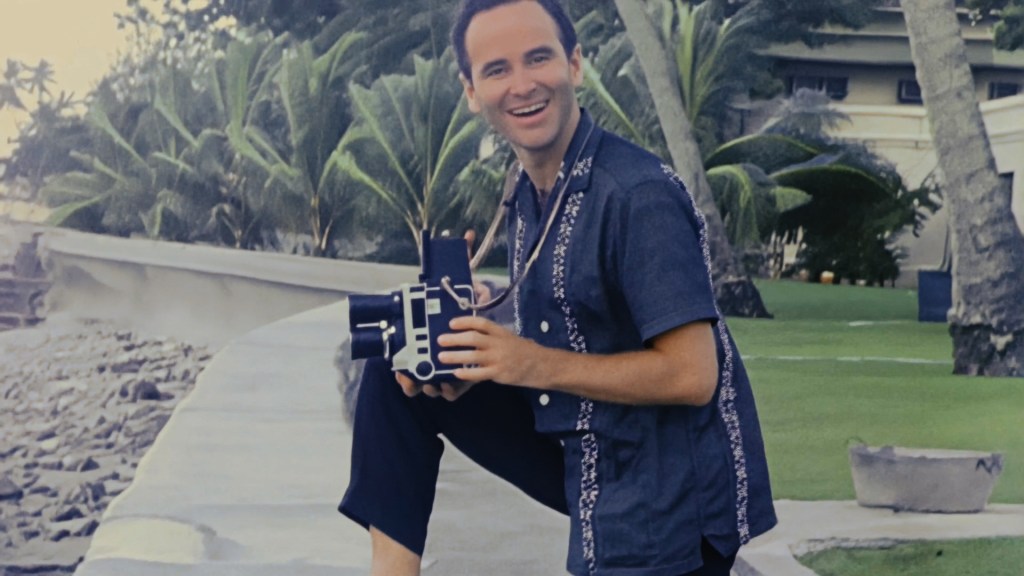
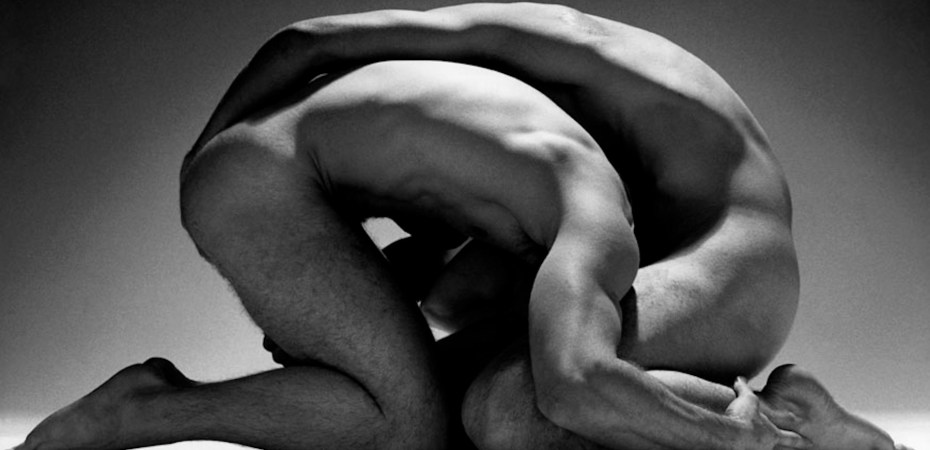
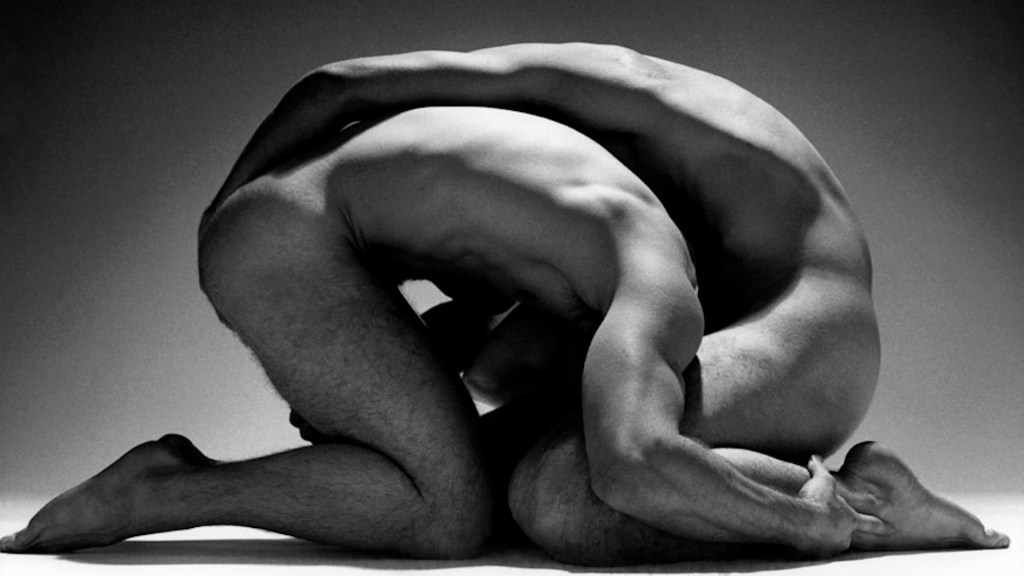
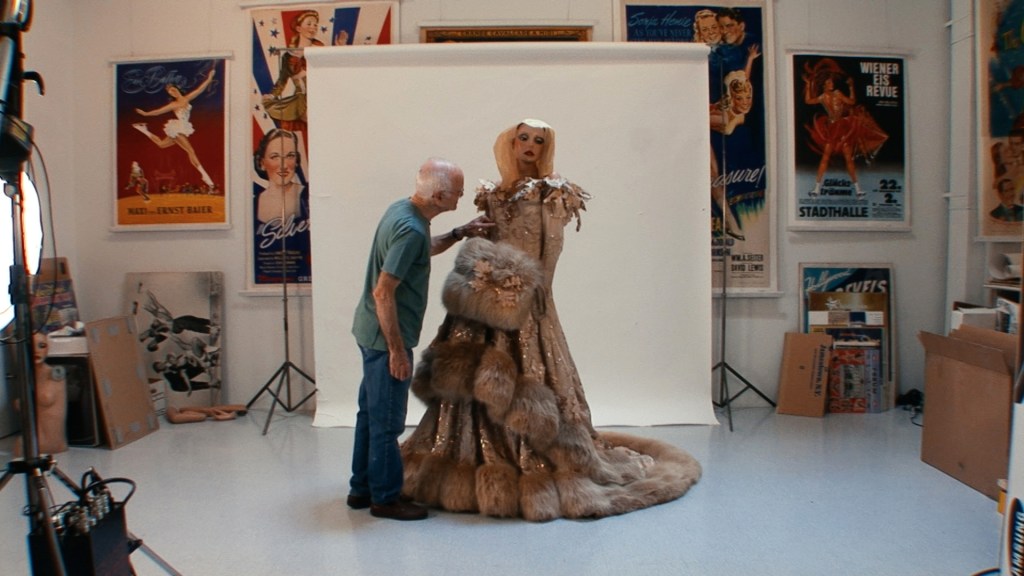
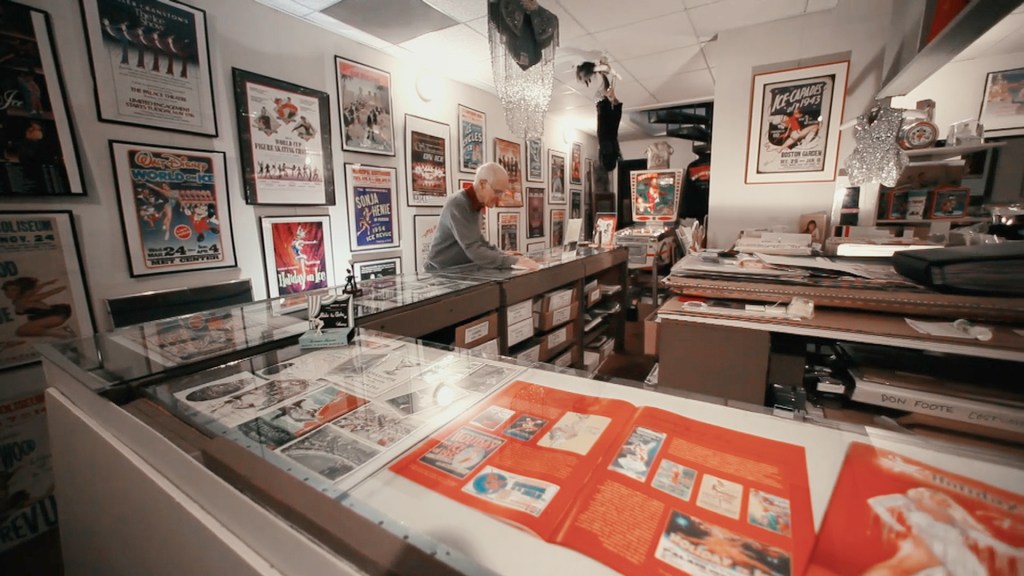
“Uncle Roy” was Roy Blakey, and Keri Pickett was his niece. Born in Oklahoma in 1930, Blakey became a professional theatrical figure skater who traveled all over the world with famous shows like Holiday on Ice. He always took his camera with him, whether he was in Chicago or Bangkok; He even brought his developing equipment with him as well. (Remember, this was W-A-Y before the benefit of digital technology!) Blakey’s dedication as a photographer and collector would ultimately become an eternal asset to American entertainment history: He amassed a huge collection of posters, costumes, and more from the exciting world of theatrical figure skating– many pieces of which the audience gets to see in Uncle Roy. The audience also gets to see Keri Pickett’s tireless commitment in preserving that collection and finding a way to display it in the most respectful way. After retiring from his career as a professional figure skater, Blakey moved to New York and built a private studio. His black-and-white photographs, so many of which we get to see in Pickett’s film, include many familiar celebrity faces such as Bette Midler and LGBTQ icons Divine and Candy Darling. But the photos which would ultimately change history were from Blakey’s collection of male erotica. His most famous body of work is his 1972 book HE, devoted entirely to male nudes. This was groundbreaking at the time. The photography may be from the 70’s, but the eroticism and artistic commitment of the photos hold up to this very day. Put another way: These pictures are every bit as sexy in 2026 as when they were first shot. As with his collection of skating memorabilia, Pickett was determined to preserve Blakey’s erotic photography as part of LGBTQ culture– the dedicated efforts of which we see in Uncle Roy.
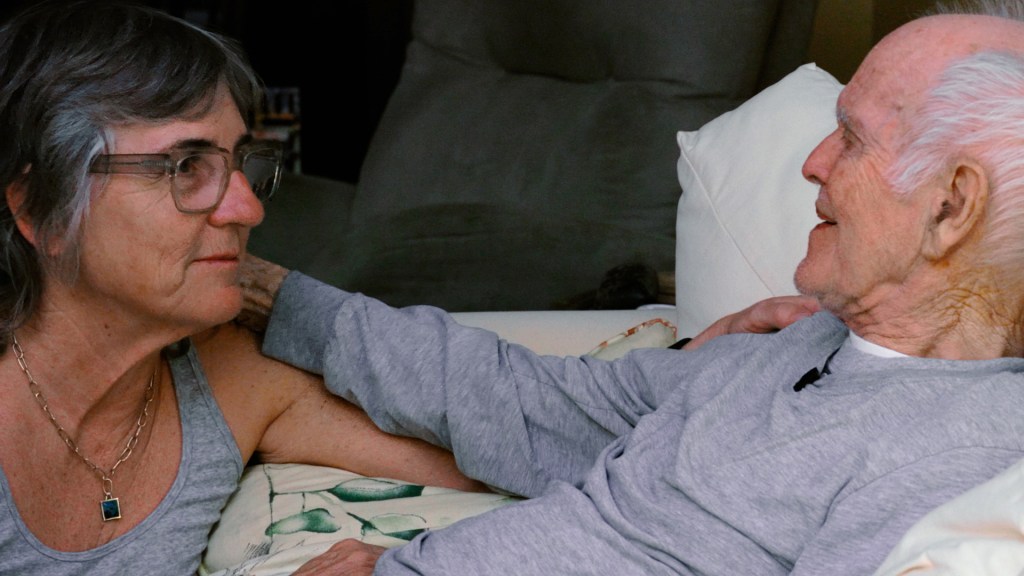
Pickett not only inherited Blakey’s wanderlust, but also his affinity for photography, video, and preservation of artistic culture. An established filmmaker, her 2013 documentary The Fabulous Ice Age chronicles the golden era of American touring ice shows, featuring rare footage and interviews with legendary skaters and producers. Seeing her beloved Uncle Roy losing his memory due to dementia, Pickett was determined to not only preserve his physical collections, but also to honor her uncle’s legacy on film. Uncle Roy is alternatingly funny and educational, joyously happy but also challenging to watch at times as we see Roy in the twilight of his life. Underneath the glamour of Blakely’s jet-setting lifestyle and the titillation of his nude male photography, there is a tender story that often pulls at the heartstrings and really defines the true meaning of family.
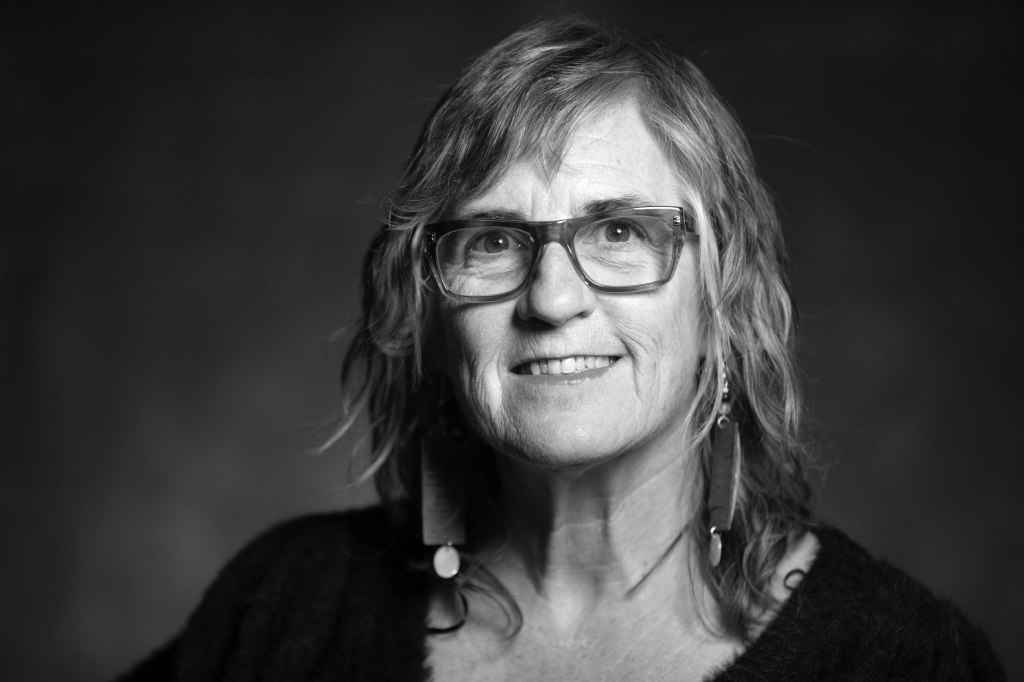
Keri Pickett took the time to speak with Jed Ryan of Lavender After Dark about Roy Blakey’s legacy… and why you should see Uncle Roy!
JR: Congratulations on Uncle Roy. I REALLY loved the movie and learned so much about Roy Blakey’s contributions to LGBTQ culture… so, thank you for bringing his story to the masses!
KP: Thanks so much for your interest in the film. So fun to meet you at the After Dark Party!
JR: Yes it was! Uncle Roy was clearly a labor of love. There are many scenes in the film which really tug at the heartstrings, particularly at the film’s final moments. I’m sure it must have challenged you emotionally. Did you ever get to a point while making the movie where you thought, “This is too much! I can’t do this anymore!”?
KP: No. I have had a career of making documentary photographs and films, and I knew that I was asking of myself the same thing I have asked of others: to share their life with others via my camera. I started this film in 2006. At that time, I wanted to make a film about the history of the ice shows and Roy’s life. It was the history of the ice shows – from Charlotte who played NYC’s Hippodrome Theater to Ice Follies, Ice Capades, and the show Roy was in, Holiday on Ice, that ended up needing the most attention. In 2013 THE FABULOUS ICE AGE premiered and then played on Netflix from 2014 to 2019. In the meantime, I still wanted to make a film focused solely on Roy, and so I kept filming. I started to edit the film on Roy’s personal life around 2018 and then I got busy with the film FINDING HER BEAT, which came out in 2022; and another film RIBBON SKIRT WARRIORS, which I am in the process of completing now and hope to premiere in 2027. Over the years there were plenty of times I felt that I was not going to be able to finish the film on Roy, not only because I could not make the time to complete the edit, but I also felt too close to the story to be objective. So when Dawn Mikkelson joined as a producer and editor, the film seemed possible to complete. We were in the thick of editing when Roy had a medical event that changed the narrative for both me and the film. I filmed a lot of the caregiving process, but we only included enough to understand my dedication to caregiving more than the details of the daily work.
JR: Understood! So… you moved to New York as a youngster during a VERY heady and hedonistic time in the City’s history. What stood out about the New York City of that era?
KP: I didn’t realize it at the time, but NYC was actually affordable in those years. It was possible to earn your rent with a week or two of work, and a pizza slice was 75 cents: the same price as the subway. Working for the Village Voice, Director of Photography Fred W. McDarrah, gave me a press pass to New York City’s arts and culture scene as well as insights into the politics of the time. From Mayor Ed Koch, to Diana Ross, to the birth of hip-hop, I had a front row seat.
JR: Wow! I just paid $4 for a cup of coffee in this town! (Laughs) One of MANY things I found very interesting about Roy’s life was his decision to follow you from New York City to Minneapolis, Minnesota. Why did he choose that city rather than staying in New York, or instead of moving to a more “happening” place like Los Angeles or San Francisco? Was it a difficult transition for the two of you?
KP: Although I wasn’t born in Minnesota, I claim it because it is the state where I grew up. My mother, B. J., is one of three children and she was the only one to have children. So as her parents got older, they decided to move to Minnesota to be near their only grandchildren. Then many years later, medical issues brought me back to Minneapolis– and the silver lining was being able to be with and also photograph my grandparents at the end of their lives. After my grandfather died, I found their year-long postal courtship love letters which became my first book – “Love in the 90s, BB and Jo; The Story of a Lifelong Love, A Granddaughter’s Portrait” published in 1995 by Warner Books. Roy Blakey’s namesake was his uncle Roy who was a professor of Economics at the University of Minnesota– and he had his younger brother in tow (long story). Roy’s father attended college there while Professor Roy Blakey taught at the U of M. No one in our family tree was born in Minnesota, yet our family ties to the state are tied to three generations… and the tree has many end-of-life stories.
JR: While we are on the subject, where do you call home now?
KP: I lead a gypsy life and call Minneapolis home.
JR: “A gypsy life”! I love it! In the movie, it was mentioned how Roy kept his nude male photography a secret from you at first. What was it like when he first shared about that part of his life?
KP: Roy’s nude photography emerged much later in our friendship. All those years in NYC I knew about his headshot and dance photography, but I didn’t find out about the nudes until a few years following his move to Minnesota. I was up at the Radical Faerie Sanctuary called Kawashaway where I saw the mention of Roy Blakey in RFD Magazine that someone near me was reading. I was kind of shocked. I started looking around the studio and started wondering what is in the files. Then I found a box with the ropes around it and that led to him opening up a more hidden part of his life… and now here I am telling everyone about Roy.
JR: I am Generation X, so I pretty much grew up with print newspapers like The Village Voice and magazines like After Dark… and printed erotica too, thankfully! But some of the younger people may wonder if there is still a place for printed material, such as high-end art books, as we near the end of 2026. What would you tell them?
KP: I hope so, because I have three more photo books in the works. I am working on a book about the indie music scene as seen through the now closed “Tin Pan Alley” among others. Books and print stand the test of time.
JR: Yes, they sure do! Between you and Uncle Roy, you have both met many famous people and photographed many of them too. I’m sure you have a lot of great stories! What was your favorite celebrity experience? What was Roy’s?
KP: I have photographed so many world leaders including His Holiness the Dalai Lama and have attended historic events like the Gay Pride March on Washington in 1988. But for this question I will share that I was able to attend a tree planting ceremony by President Vaclav Havel in the Czech Republic on Earth Day sometime in the 90s. As I was walking backwards photographing the President, I tripped and fell backwards into a bush. Vaclav Havel’s response was to reach for me to help me out of the bushes, but his security detail rushed him to move forward and not help me… but he wanted to help me! That is a metaphor for my life: So many family and friends have continually reached out a hand to help me. Roy met Judy Garland at a party in Paris. In Germany he was a guest in the audience and he photographed Marlene Dietrich. Recently I found Count Basie portraits in his contact sheets. The list is endless, but the beauty of Roy was that he saw the star in everyone.
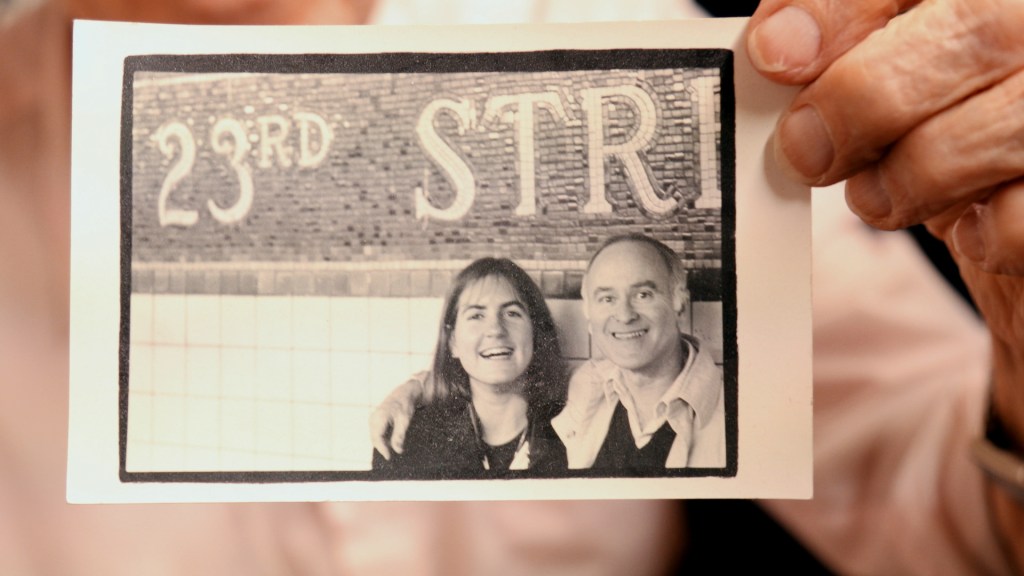
JR: That’s wonderful. The one thing that seemed to never change with your uncle, from childhood to his last few years, was his distinctive smile– as one of the interviewees pointed out. I’m sure he could be grumpy from time to time, like all of us (Laughs)– but he always seemed, at least in the photos and videos in the film, to be in a perpetually cheerful mood. He admitted to being something of a “Pollyanna” in the movie. Did he share any secrets for always being so optimistic?
KP: He got that from his parents who survived the early death of their own parents, in the case of my grandpa and being sharecroppers in Indian Territory for my grandma. They raised three kids in the Depression and that was not easy, but they based their worth on education and Roy inherited his father’s steadfast focus with his mother’s humor. Then Roy led his life being a creative doing what he loved to do: figure skating, photography, and collecting history and surrounding himself in beauty… That can make a person light up like a bright bulb.
JR: Thank you so much for speaking with me, Keri. Anything else you’d like to tell the masses… besides, of course, “See the movie!”?
KP: Yes! Please follow the film on socials. Please sign up for my (Keri Pickett) Substack. On Insta I am @keripickett and the film is @uncleroyfilm. If you have seen the film please review on Letterbxd. https://letterboxd.com/film/uncle-roy/
Uncle Roy will make its New York City premiere on Sunday, October 18, 2026, at 6:45 PM at the SVA Theatre (333 W 23rd St, New York, NY) as part of NewFest, the city’s largest LGBTQ+ film festival. For mor information and tickets, visit http://www.NewFest.org.

