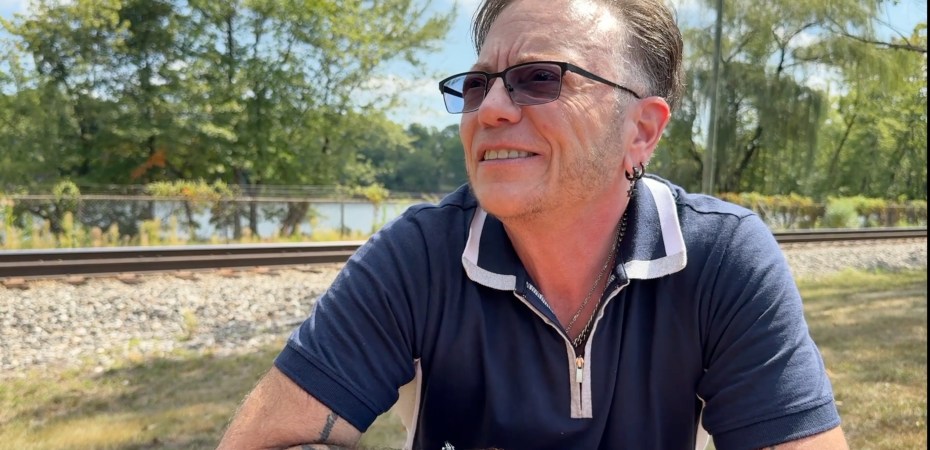
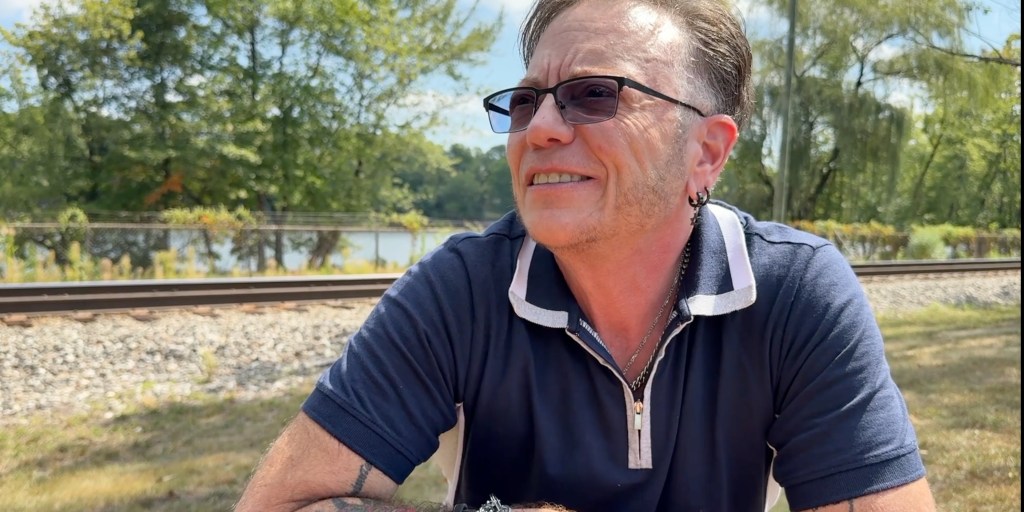
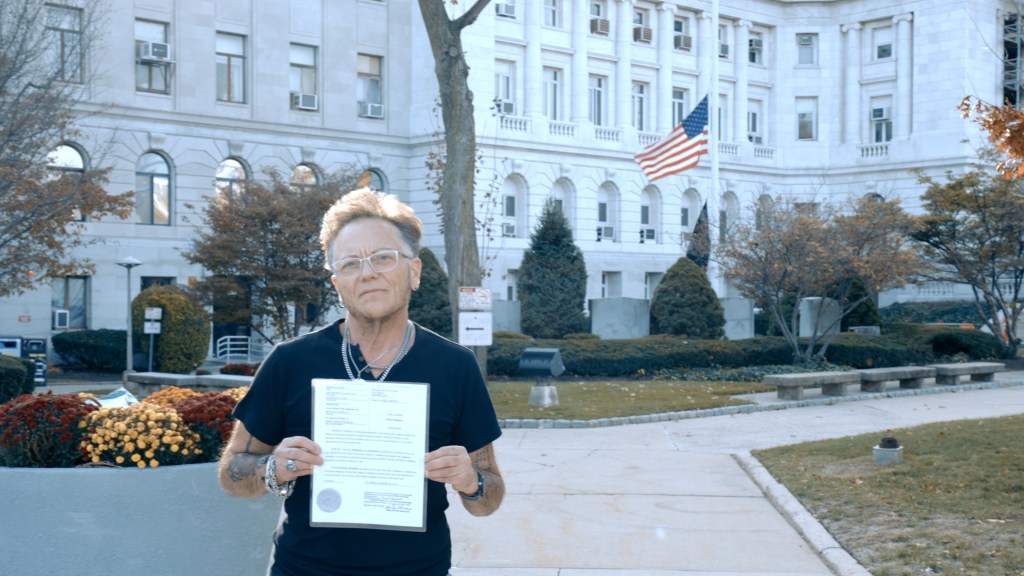
Call Me Micky is a new documentary about 62-year-old New Jersey native Micky Angelo Petrillo, who at age 59 made the decision to transition from “Michelle” to “Micky”. The film has Petrillo sharing his story about transitioning and about becoming part of the LGBTQ and the New York City/Jersey City performance arts communities in the process. Call Me Micky was directed by Andrew Rasmussen and was executive produced by model-actress Dominique Jackson (Pose, Queens of the Dead), who also appears in the film as Micky’s friend and mentor of sorts. The documentary has been making its way through the film festival circuit where it has received several awards, including “Best Documentary” at the New York Transgender Film Festival and the “Spirit of Pride” Award at the Susquehanna LGBTQ Film Festival.
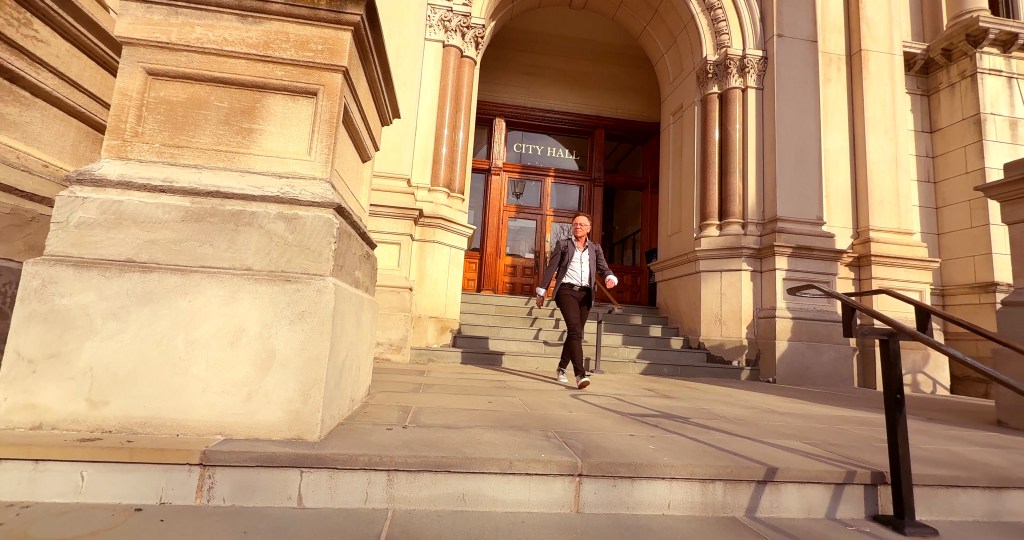

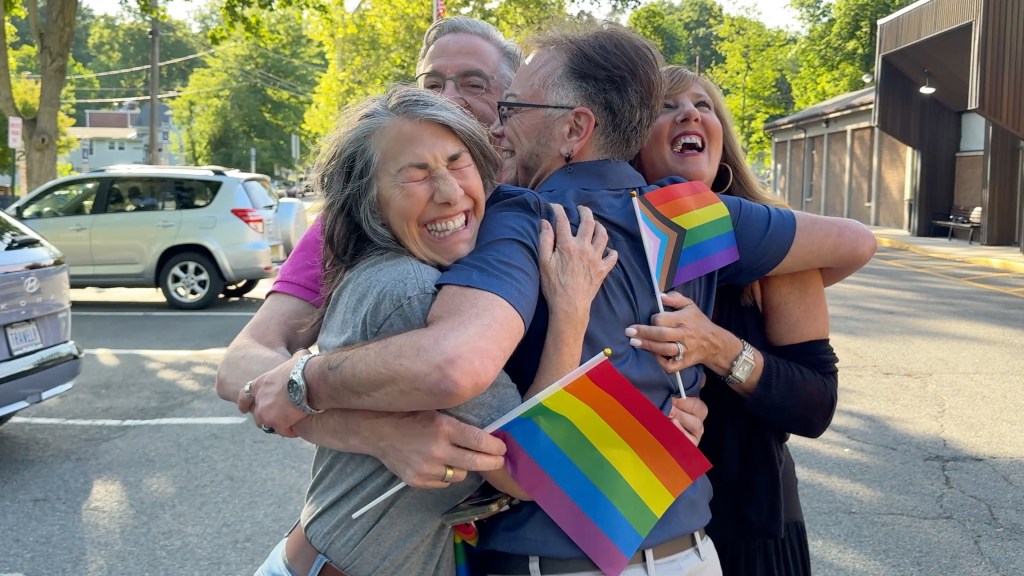
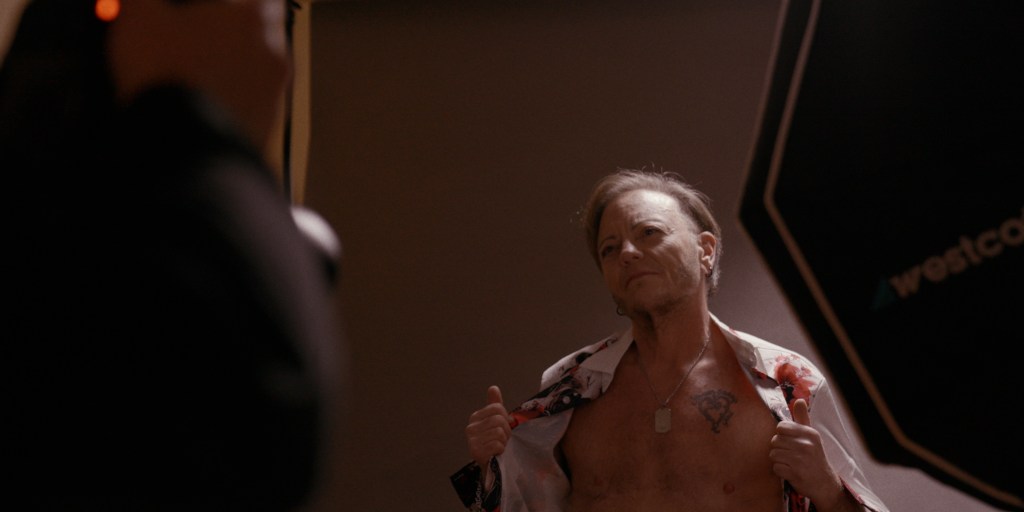
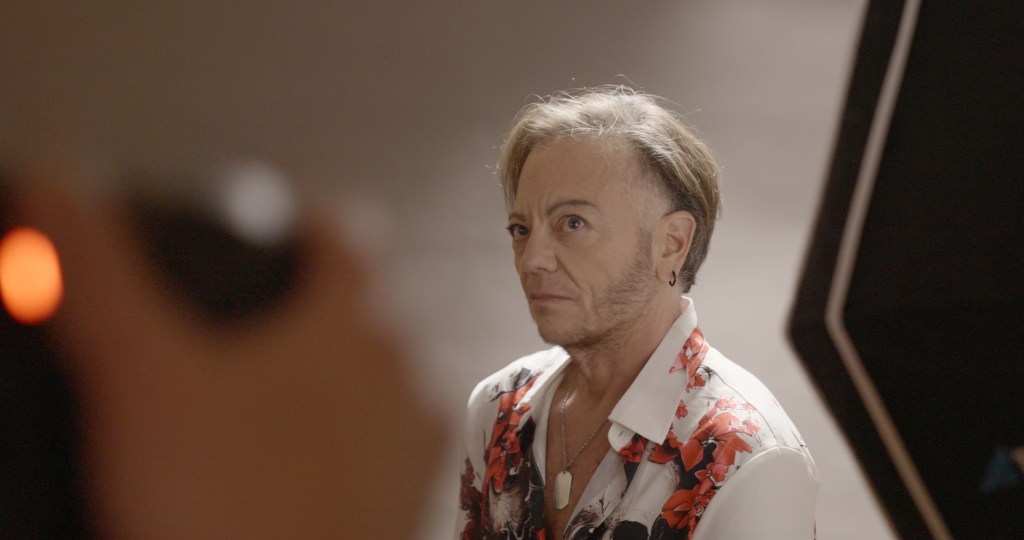
With the slow but steady visibility and acceptance of queer people through the decades (as well as more entertainment options than ever before), it may be hard for the younger generations to comprehend that there was once a time when LGBTQ stories very rarely got to be seen on the big or small screen– at least in the so-called “mainstream” media. This changed in the 1990’s, when an explosion of queer characters and stories started appearing en masse in movies and on TV. Largely thanks to the rise of independent cinema and the mass “coming out” of unapologetically proud LGBTQ filmmakers, for the first time queer people were able to tell their OWN stories, rather than having to see representations of themselves through someone else’s (usually heteronormative) lens. Indeed, there certainly was no shortage of those stories to tell. For movie lovers with a special affinity for LGBTQ cinema (Like me…), Call Me Micky goes through a familiar pathway seen in so many transgender documentaries: The audience gets to witness the journey of someone who is either (1) currently undergoing the transition process, or (2) who has recently transitioned– and then gets to follow that person as they navigate through their “new life”. This film is the latter. Petrillo, now firmly living as a man, shares, “I look at myself on the screen in the film and I can’t… I know it’s my voice, I know it’s me, but I don’t SEE me. It’s like I don’t see myself as that person in the mirror yet. It’s like I don’t recognize myself. Micky is so confident, so handsome, good body… but I know that person is awesome and I love that person. I think it just takes time.” The audience watches Micky attend an open mic in Brooklyn hosted by singer-songwriter Jackson Sturkey (where Sturkey performs a song he dedicated to Micky); experiment with new men’s fashion “looks” with his friend, comedian Ike Avelli; and have his first-ever-in-life photo shoot by photographer Billy Hess, with styling by Mark De Alwis. The movie cumulates with Micky speaking at an LGBTQ event in Jersey City (where Mayor James Solomon, Jersey Pride Chair/CEO Eddie Baez, singer Cecilē Williams, and drag performer Lady Clover Honey are in attendance) — something, Micky says, that “Michelle” would or could never have done.
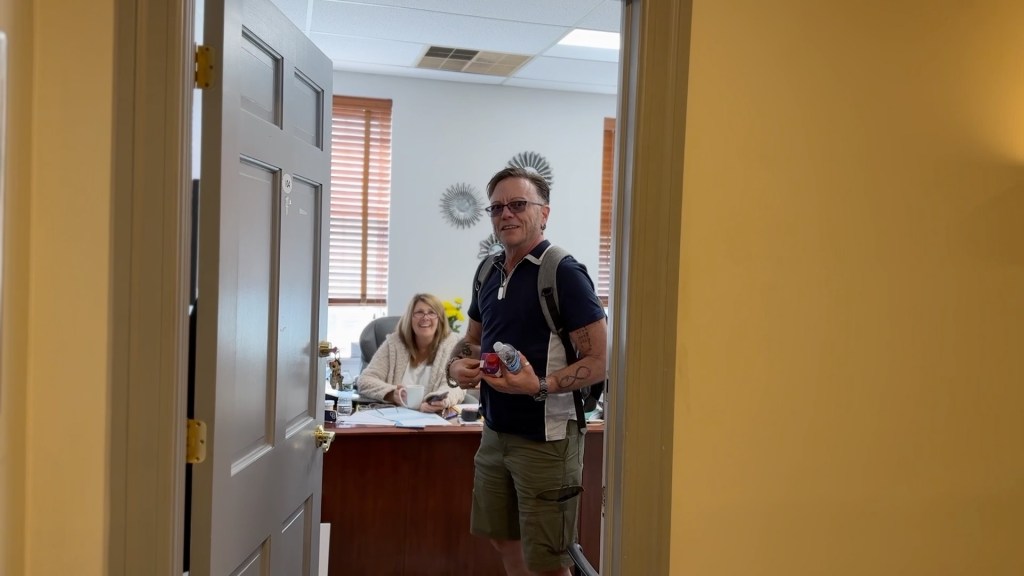
Call Me Micky may have a familiar “coming out” theme, but what makes Petrillo’s personal story different? For one, Micky’s life– at least from what he allows the audience to see– wasn’t particularly flashy or showy: He was a middle-class, independent small business owner living in suburban New Jersey. He was most definitely NOT a public figure– particularly in distinction to many of the other people he surrounds himself with in this film. In fact, intentionally or not, Petrillo seems to want to establish himself as the proverbial “ordinary guy”: Call Me Micky features a clip from actress/activist Wendy Stuart’s talk show Triversity Talk in which Stuart, while interviewing Micky, puts his personal mission into words: “You know what? I’m the guy next door. That’s who I am, and I’m just living my best life– and God damn it, I’m happy!” Petrillo himself confesses in the film that prior to coming out as trans himself, he didn’t even know about the transgender pride flag and was not part of the LGBTQ community at large. His anxiety at having to do his first “stand-up” at the Open Mic and, later, at speaking in public is VERY palpable– particularly when compared to the more extroverted personalities of people like his friends Jackson Sturkey and Ike Avelli. While his story is both familiar and unique at the same time, the unpolished, “guy next door” vibe of Call Me Micky and the relatability of Mr. Petrillo himself may actually have the greatest impact on potential audience members who don’t know any transgender people personally or who don’t regularly watch LGBTQ-themed movies. It could be a great educational experience for them– if they are willing to be educated, of course. Micky’s “supporting cast”– from his co-workers to several New York City- and Jersey City-based artists, are all fun to watch. Dominique Jackson, as always, is a delight to see on the screen. Even when “dressed down” in a tank top and jeans, this star is no less than stunning.
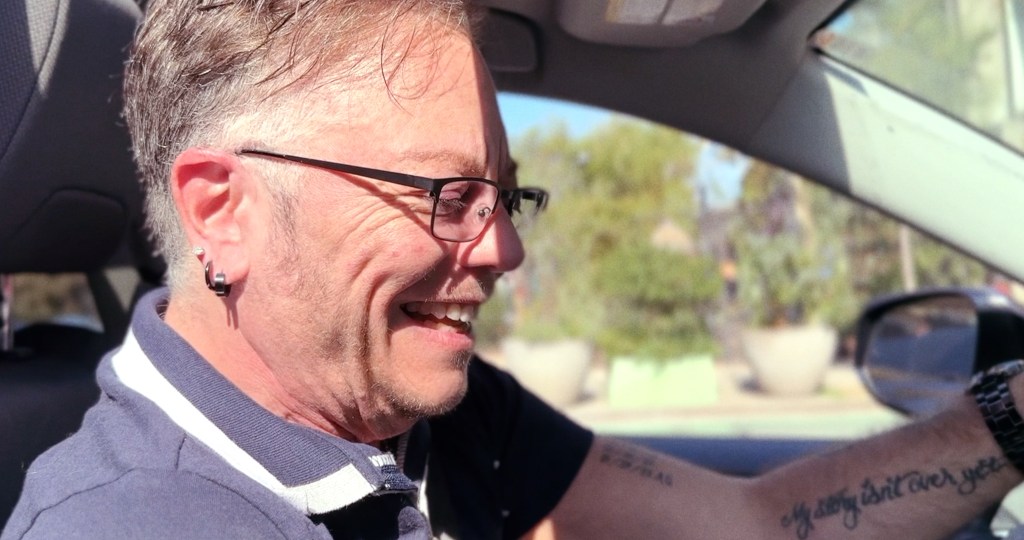
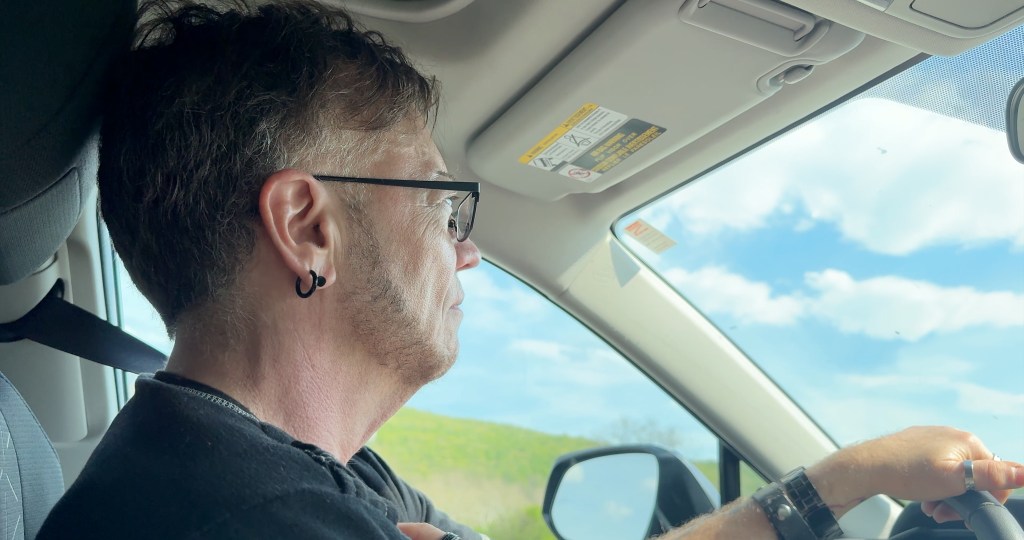
The main question of Call Me Micky is “What’s next?” During the film’s too-short 22-minute runtime, Petrillo brings up such heavy subjects, such as having had suicidal feelings for many years and even a suicide attempt before his transition… as well as having a relationship with his mother for which the term “difficult” doesn’t even come close. And, of course, the audience will wonder about the trajectory of Micky’s life now that he is slowly becoming a public figure– whether that public figure may be an activist, an inspirational speaker, or even a performer. The audience will want to know more about these issues. So again, we ask, “What’s next?”…
For more about Call Me Micky, including future screenings,visit www.CallMeMickyFilm.com.

